

PSLF Buyback in 2026: A Data-Driven Guide to Accelerate Forgiveness
If you’re a public service worker watching your PSLF payment count tick upward one month at a time, 2026 may be the year to stop waiting and start buying. The PSLF Buyback program — formally codified under 34 CFR Part 685 — lets eligible borrowers make lump-sum payments to convert past months of forbearance or deferment into qualifying PSLF payments. With processing backlogs at MOHELA now stretching beyond 12 months, and a shifting regulatory landscape under the current administration, the strategic calculus has changed. This guide cuts through the noise with verified data, real math, and a step-by-step playbook built for 2026 realities.
Table of Contents
Public Service Loan Forgiveness: Where PSLF Buyback Fits in Your Strategy
Public Service Loan Forgiveness forgives the remaining balance on Direct Loans after 120 qualifying monthly payments under a qualifying repayment plan while working full-time for a qualifying employer — government agencies or eligible nonprofits. The PSLF Buyback is a newer mechanism that helps you “fill gaps” in your payment history by paying to have certain past months count toward that 120-payment threshold.
As of early 2026, the Department of Education reported that more than 1 million borrowers have received PSLF forgiveness totaling over $78 billion in discharged debt since the program’s 2017 inception, according to studentaid.gov. The average forgiveness amount sits at approximately $70,000 per borrower, per Federal Student Aid data. Those numbers underscore how transformative PSLF can be — and why shaving even a few months off your timeline carries real financial weight.
Here’s how the components fit together in 2026:
PSLF Buyback Program Eligibility
Under current federal rules, the PSLF Payment Buyback allows borrowers to make a voluntary payment to have previously non-qualifying months counted toward PSLF, provided doing so advances them toward forgiveness. Eligible periods generally include:
- Months spent in certain administrative forbearances or deferments during which you were otherwise employed full-time by a qualifying employer
- Months where payments were insufficient or late, depending on servicer confirmation and federal criteria
- Periods before you switched to a qualifying income-driven repayment (IDR) plan, in some circumstances — though this requires careful verification with MOHELA
Practical advisor tip: Before assuming eligibility, request your detailed payment history and count from MOHELA. Then model scenarios: What if you buy back X months? What’s the cost today versus the interest and time savings? Never pay before you have a servicer-confirmed cost calculation in writing.
What changed for 2026: The post-2026 regulatory environment has introduced additional scrutiny around employer eligibility verification. New EIN (Employer Identification Number) cross-referencing requirements mean some non-profit employers that previously qualified may face additional review. Confirm your employer’s current PSLF eligibility status through the PSLF Employer Search tool before initiating a buyback application.
Will the PSLF Buyback Program Go Away?
This is the question on every borrower’s mind as student loan policy continues to shift under the current administration. The honest answer: the program is grounded in federal regulation (34 CFR Part 685), which provides more stability than a policy memo — but regulations can be amended through rulemaking. The administration’s ongoing PSLF overhaul has not eliminated buyback as of this writing, though processing priorities and eligibility interpretations continue to evolve.
Advisors should counsel clients to act on current rules rather than speculate. If buying back months is clearly ROI-positive under today’s rules, waiting on speculation adds risk without adding clarity. Check the official PSLF Buyback announcements page regularly for regulatory updates.
PSLF Buyback vs. PSLF Reconsideration: Know the Difference
These two mechanisms are related but distinct:
- PSLF Reconsideration Request: An established process to ask for a review of your qualifying payment count. Use this first if your count appears incorrect — it costs nothing and may resolve gaps without any payment.
- PSLF Buyback: A voluntary payment mechanism for months that genuinely didn’t qualify but can be converted. This costs money.
Step-by-step sequence: 1. Get an updated PSLF count from MOHELA 2. If months are missing or miscounted, file a reconsideration request 3. Only after reconsideration resolves, analyze the buyback path for any remaining gaps
Don’t pay for months you might recover for free through reconsideration.
The 2026 Processing Backlog Crisis: What Borrowers Need to Know
Here’s the uncomfortable reality that too many guides gloss over: the PSLF Buyback program is experiencing severe processing delays. MOHELA — the sole PSLF servicer, managing roughly 8 million borrower accounts — has seen buyback application wait times stretch beyond 12 months, compounded by servicer transfer delays that have added an estimated 3–6 months to average processing times, according to Federal Student Aid announcements.
The CFPB’s report on student loan servicer failures documents the systemic nature of these delays and outlines borrower rights when servicers fail to process applications in a timely manner.
What You Can Do When Your Buyback Application Stalls
If your application has been pending for an extended period, take these concrete steps:
- Document everything. Keep timestamped screenshots of your servicer portal, confirmation emails, and any written communications. This paper trail is essential if you need to escalate.
- Submit a formal complaint. File complaints with both the CFPB and the FSA Ombudsman. Complaints create a paper trail that servicers are required to respond to.
- Contact your Congressional representative’s constituent services office. Congressional inquiries to federal agencies often accelerate stalled cases — this is an underused but effective tool.
- Request a supervisor escalation at MOHELA. Document the name, date, and content of every call.
- Monitor the FSA announcements page for any processing updates or relief measures specific to buyback backlogs.
What changed for 2026: The ongoing servicer consolidation and administrative restructuring at the Department of Education have created additional uncertainty about processing timelines. Borrowers who submitted buyback applications in late 2024 or early 2026 should proactively check their status rather than assuming the process is moving forward. For more on navigating a stalled application, see our guide on MOHELA servicer complaints: What to do when your PSLF application is stuck.
PSLF Buyback vs. IDR Account Adjustment: Which Strategy Is Right for You in 2026?
The IDR one-time account adjustment — which credited borrowers for past periods that didn’t previously count toward IDR forgiveness — has now concluded its primary processing phase. This changes the strategic landscape significantly for 2026.
For borrowers who benefited from the IDR adjustment, the sequence is now clear: the automatic credits have posted (or should have posted), and any remaining gaps are the province of either reconsideration or buyback. For borrowers who missed the adjustment window or whose gaps weren’t covered, buyback may be the primary remaining tool.
Key comparison framework:
| Factor | IDR Account Adjustment | PSLF Buyback |
|---|---|---|
| Cost to borrower | Free (automatic) | Lump-sum payment required |
| Processing status | Primary phase concluded | Active but backlogged |
| Coverage | Broad historical periods | Specific forbearance/deferment months |
| Applicability | IDR forgiveness track | PSLF track specifically |
| 2026 availability | Limited/concluded | Active under 34 CFR Part 685 |
For borrowers on the PSLF track with pre-2017 loan periods that weren’t resolved by the IDR adjustment, buyback is often the faster path to closing remaining gaps — provided you can absorb the upfront cost and the processing delay.
For a deeper comparison, see our guide on how the IDR Account Adjustment affected PSLF payment counts.
PSLF Buyback Program Eligibility, Deadline, and Application: A Step-by-Step Playbook
This section lays out a practical, advisor-grade workflow whether you’re a public service professional optimizing cash flow or a financial planner helping clients navigate the 2026 landscape.
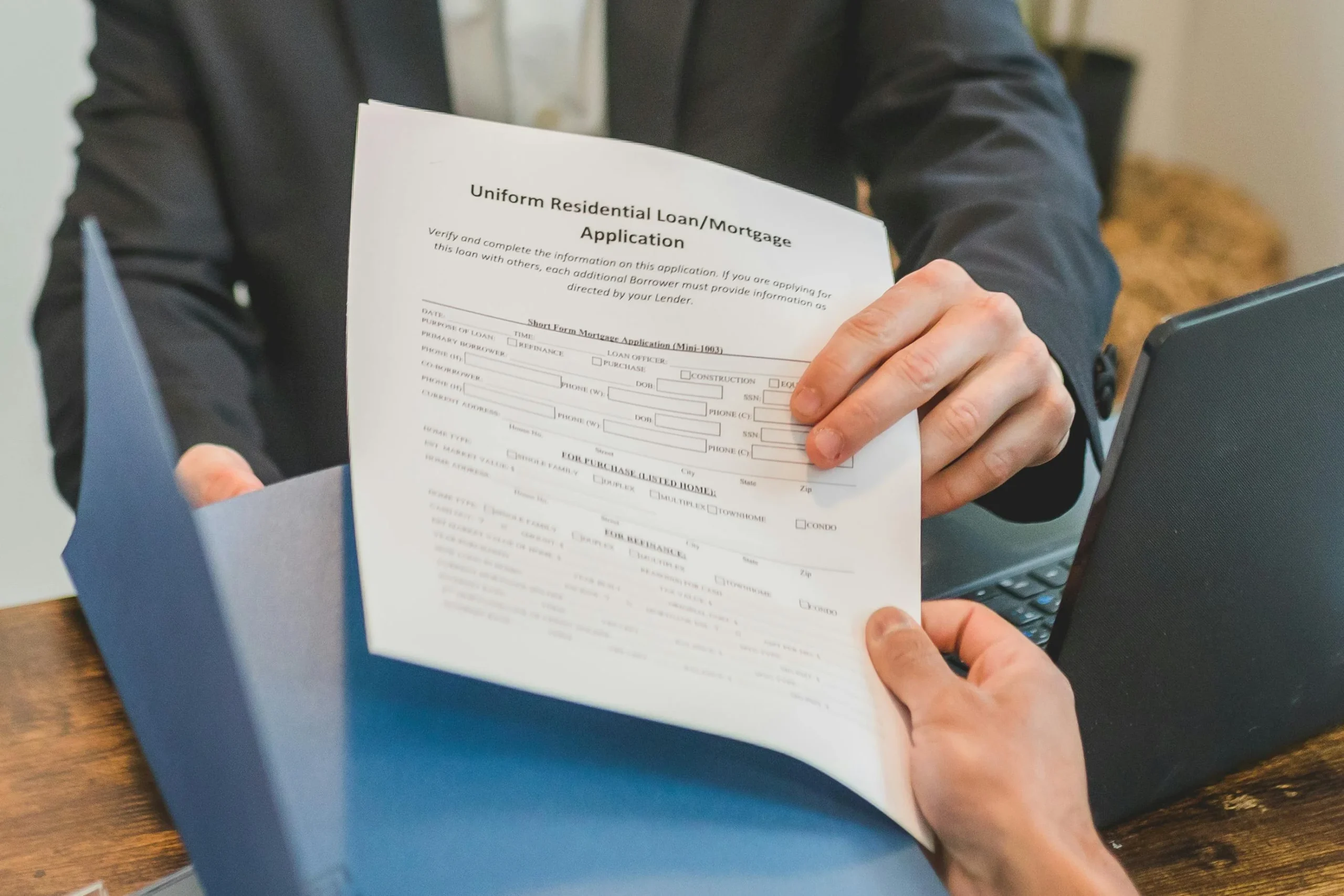
Step 1: Confirm Your PSLF Foundation
Before buyback enters the conversation, verify these fundamentals:
- Employer eligibility: Full-time employment with a government entity (federal, state, local, or tribal) or an eligible 501(c)(3) nonprofit. In 2026, new EIN verification requirements mean some employers face additional review — confirm current status through the PSLF Employer Search tool.
- Loan type: Direct Loans are required. FFEL or Perkins loans must be consolidated into a Direct Consolidation Loan. Note that consolidation resets your payment count — factor this into your timeline modeling.
- Repayment plan: Qualifying IDR plans include SAVE (currently under litigation), IBR, and ICR. PAYE is closed to new enrollees. For a full comparison of qualifying plans in 2026, see our IDR plan comparison guide.
Step 2: Get Your Verified PSLF Count
- Request an updated count through your MOHELA account portal
- Submit a PSLF Employment Certification Form (ECF) if you haven’t done so recently — this validates your qualifying employment windows and updates your count
- If the count appears incorrect, file a PSLF Reconsideration Request before initiating any buyback
Step 3: Identify Buyback-Eligible Months and Calculate the Cost
The PSLF Payment Buyback payment amount is typically calculated based on the lowest monthly payment that would have been due during the period you’re buying back, per federal guidance. Your servicer will compute and provide this figure — do not estimate it yourself and pay without written confirmation.
For example: If you were in administrative forbearance for 10 months during a period when your IDR payment would have been $120/month, your buyback cost for those 10 months would be approximately $1,200 — though the exact calculation must come from MOHELA.
Approximately 2.9 million public-sector and nonprofit workers are estimated to be on IDR plans and potentially eligible for PSLF, per a 2023 Government Accountability Office report (GAO-23-105346). Many of these borrowers have at least some months of forbearance or deferment that could be buyback candidates.
Step 4: Submit the PSLF Buyback Application
The application process runs through MOHELA and involves:
- A detailed review of your payment history
- Documentation of qualifying employment for the buyback period
- A servicer-calculated cost figure
- Submission of payment after approval
Documentation checklist: – PSLF Employer Certification Forms for all relevant employment periods – W-2s or other employment verification for buyback period years – Payment confirmation from your servicer – Screenshots of your PSLF count before and after buyback posts
Keep digital copies of everything. If your application stalls, this documentation is your primary protection.
Step 5: Monitor Timelines and Stay Current on Deadlines
Given that processing times currently exceed 12 months at MOHELA, submit your application as early as possible. There is no universal expiration date for the buyback program as of this writing, but the regulatory landscape can shift. Monitor the official PSLF Buyback page and announcements page for any deadline notices.
What changed for 2026: The administration’s ongoing PSLF overhaul has not eliminated buyback but has introduced additional employer verification steps and may affect which forbearance periods qualify. Borrowers with buyback periods tied to COVID-era forbearances should specifically confirm current eligibility status with MOHELA before applying.
The Buyback Math: Does It Actually Make Financial Sense?
This is where the data-driven approach earns its keep. Buyback isn’t automatically the right move — it depends on your specific numbers.

The Core Decision Framework
Buy back months when: The immediate lump-sum cost is less than the discounted present value of the IDR payments and accruing interest you’d avoid by reaching forgiveness sooner.
Skip the buyback when: You’re many years from 120 payments, the buyback cost is high relative to your IDR payment, or you have higher-ROI uses for the capital (retirement accounts, high-interest debt).
Worked Example: The Mid-Career Nurse
Consider a public hospital nurse with 88 verified PSLF-eligible months, 10 months of administrative forbearance that are buyback-eligible, and a current IDR payment of $350/month:
- Buyback cost: 10 months × $120 (lowest payment due during the forbearance period) = $1,200
- Months accelerated toward forgiveness: 10 months
- Future IDR payments avoided: 10 × $350 = $3,500
- Gross ROI: ($3,500 – $1,200) / $1,200 = 191% before accounting for time value
- Interest avoided: Varies by loan balance and rate, but at a $60,000 balance and 6.5% interest rate, 10 fewer months of accrual represents meaningful additional savings
This is a simplified illustration — your servicer must confirm the actual buyback cost, and you should model your specific IDR payment trajectory. But the framework holds: when buyback months are cheap relative to your current IDR payment and you’re close to the 120-payment threshold, the math is often compelling.
Buyback vs. Investing the Capital
For borrowers who are further from forgiveness, the opportunity cost calculation matters more. Compare the buyback ROI against:
- Tax-advantaged retirement contributions: Maxing a 403(b) or 457(b) with employer match may deliver higher risk-adjusted returns if you’re more than 24 months from forgiveness
- High-interest debt payoff: Any debt above 7–8% interest likely beats buyback ROI in most scenarios
- Low-risk fixed income: Current yields on Treasuries and I-bonds are meaningful but typically don’t match the ROI of a well-timed buyback for borrowers close to 120 payments
Rule of thumb: When buyback accelerates forgiveness by at least 6–12 months and your IDR payment exceeds $200/month, buyback often outperforms low-risk fixed-income alternatives on an after-tax basis for borrowers within 24 months of the 120-payment threshold.
New for 2026: Employer Certification Pitfalls and EIN Verification Requirements
One of the most significant 2026-specific changes affecting PSLF Buyback involves employer certification. Recent PSLF rule clarifications have tightened EIN verification requirements, meaning the Department of Education now cross-references employer tax identification numbers more rigorously against IRS nonprofit status databases.
What This Means in Practice
- Some employers that previously qualified may face additional review. If your buyback period involves an employer whose 501(c)(3) status has lapsed or been questioned, your application may be delayed or denied.
- Government employers are generally unaffected by the EIN changes, as their status is verified through different channels.
- Non-profit hospitals, universities, and advocacy organizations are the most common categories facing additional scrutiny.
How to Protect Your Application
- Verify your employer’s current PSLF eligibility through the official Employer Search tool before submitting a buyback application
- Obtain a signed PSLF Employer Certification Form from your employer for the buyback period — even if the employment was years ago
- If your employer no longer exists (merger, closure, restructuring), gather alternative documentation: W-2s, pay stubs, HR letters confirming employment dates and full-time status
- For complex employer situations, consider consulting a student loan attorney or certified financial planner with PSLF expertise before investing time in a buyback application that may be denied
For a comprehensive walkthrough of the certification process, see our step-by-step employer certification guide.
PSLF Strategy by Career Stage: Tailored Approaches for 2026
The right PSLF Buyback strategy depends heavily on where you are in your career and how close you are to the 120-payment milestone.
Students and New Graduates (Ages 18–26)
Your priority is prevention, not repair. Focus on: – Entering qualifying employment immediately upon graduation – Enrolling in an IDR plan from your first payment – Submitting employer certification annually (not just at forgiveness) to catch errors early – Setting up autopay to avoid missed payments that might later require buyback
The cost of a missed payment that requires buyback later is almost always higher than the cost of preventing it now.
Mid-Career Public Service Professionals (Ages 27–55)
This is the primary buyback audience. You likely have some historical gaps from graduate school, career transitions, or pandemic-era forbearances. Your playbook:
- Get a verified payment count immediately
- Run the reconsideration process before any buyback
- Model buyback ROI against your specific IDR payment and remaining months
- Consider timing buyback payments to align with tax refund season or annual bonus periods to minimize cash-flow disruption
- Weigh buyback against retirement contribution optimization — both matter, and the right balance depends on your specific numbers
Late-Career and Near-Retirement Borrowers (Ages 55+)
If you’re within 12–24 months of PSLF, buyback can deliver immediate economic freedom. At this stage: – The ROI calculation is most favorable — fewer remaining payments means each buyback month eliminates more future cash outflow – Coordinate buyback timing with retirement cash-flow planning – If you’re within 6 months of 120 payments, prioritize getting your application submitted and processed before any potential program changes
Frequently Asked Questions: PSLF Buyback in 2026
Q: What exactly is the PSLF Buyback program and who qualifies in 2026?
A: The PSLF Buyback program, codified under 34 CFR Part 685, allows borrowers to make a voluntary lump-sum payment to convert certain past months of forbearance or deferment into qualifying PSLF payments. To qualify, you must have been employed full-time by a qualifying employer during the period you want to buy back, have Direct Loans, and be on a qualifying repayment plan. The buyback must advance you toward or achieve the 120-payment threshold. Confirm current eligibility with MOHELA, as 2026 rule clarifications have added employer verification steps.
Q: How is the buyback payment amount calculated?
A: The payment amount is typically based on the lowest monthly IDR payment that would have been due during the period you’re buying back. Your servicer — MOHELA for most PSLF borrowers — calculates this figure and provides it to you before you pay. Do not estimate this yourself; always get the calculation in writing from your servicer before submitting any payment.
Q: How long does the PSLF Buyback application take to process in 2026?
A: Average wait times have stretched beyond 12 months at MOHELA, compounded by servicer transfer delays that have added an estimated 3–6 months to processing times, per Federal Student Aid announcements. Submit your application as early as possible, document everything, and be prepared to escalate through CFPB complaints and Congressional constituent services if your application stalls.
Q: Can I use PSLF Buyback for periods before I switched to a qualifying IDR plan?
A: This depends on the specific period and circumstances. Some pre-IDR periods may be eligible if you were employed by a qualifying employer and the period involved a specific type of forbearance or deferment covered by the buyback rules. This is one of the more complex eligibility questions — verify directly with MOHELA and request written confirmation before assuming eligibility.
Q: Is the PSLF Buyback program still available under the current administration’s student loan policy changes?
A: Yes, as of this writing. The program is grounded in federal regulation (34 CFR Part 685), which provides more stability than policy guidance alone. The current administration’s PSLF overhaul has modified some eligibility interpretations and added employer verification requirements, but has not eliminated the buyback mechanism. Monitor the official FSA announcements page for any changes.
Q: Should I refinance my loans to get a lower interest rate while pursuing PSLF Buyback?
A: Almost certainly not. Refinancing federal loans into private loans makes them permanently ineligible for PSLF — and for buyback. The interest rate savings from refinancing rarely offset the loss of PSLF forgiveness potential, especially if you’re within several years of the 120-payment threshold. For a full analysis, see our guide on student loan refinancing risks for PSLF-track borrowers.
PSLF Strategy in Practice: Timeline Modeling, Risk Controls, and Tools
Cash-Flow Modeling Inputs and Outputs
Build a monthly projection that includes:
Inputs: – Current principal balance and interest rate – IDR payment under your current plan (SAVE, IBR, or ICR) – Months already credited toward PSLF – Expected income trajectory and family size changes – Buyback cost per eligible month (servicer-confirmed) – Probability of continued qualifying employment
Outputs: – Months remaining to forgiveness with and without buyback – Total interest avoided through earlier forgiveness – Lump-sum buyback cost vs. present value of avoided future payments – After-tax cash impact
Sensitivity testing: Run downside scenarios — job change to non-qualifying employer, income increase that raises IDR payments, program rule changes. Buyback decisions should be robust to reasonable downside scenarios, not just optimistic ones.
Technology Tools for PSLF Optimization
- Official PSLF Payment Count tracker via your MOHELA portal
- Federal Student Aid loan simulator for IDR payment projections
- Spreadsheet scenario modeling for buyback ROI calculations — build your own or use a template from a reputable student loan planning resource
- Cash-flow aggregators (Monarch Money, Tiller, or similar) to track monthly budget impact
- AI-assisted payment history review to flag potential reconsideration candidates before committing to buyback
Risk Controls Every PSLF Borrower Should Implement
- Submit employer certification annually, not just at forgiveness — this catches errors while they’re still correctable
- Keep a dedicated digital folder with all PSLF documentation, organized by year
- Set calendar reminders for annual IDR recertification deadlines — missing recertification can affect your payment count
- Never rely solely on your servicer’s verbal confirmation — get everything in writing
Conclusion
The PSLF Buyback program remains one of the most powerful — and underutilized — tools available to public service workers in 2026. With over $78 billion already forgiven and average forgiveness amounts near $70,000, the stakes are high enough to warrant a rigorous, data-driven approach rather than guesswork. The combination of processing backlogs, evolving employer verification requirements, and a shifting regulatory environment means that acting thoughtfully and early is more important than ever.
Start by verifying your payment count, exhaust reconsideration before spending a dollar on buyback, and run the math on your specific situation before committing. If you’re within striking distance of 120 payments, the buyback ROI may be among the best financial moves you make this year — but only if you approach it with the same discipline you’d apply to any significant financial decision.
References & Read More
Related Wealth Stack guides:
External sources:
- Federal Student Aid – PSLF Buyback Official Page
- Federal Student Aid – PSLF Buyback Announcements
- GAO Report GAO-23-105346: Public Service Loan Forgiveness
- NerdWallet – PSLF Buyback Explained
- CFPB – Student Loan Servicer Failures Report

Riley Morgan is a personal finance writer and wealth strategist with over a decade of experience covering budgeting, credit optimization, banking products, and investment fundamentals for everyday Americans.
Riley’s work focuses on translating complex financial concepts into clear, actionable guidance — helping readers at every income level make smarter decisions about their money. Articles published on WealthStack.us draw on primary research, direct product testing, and data sourced from authoritative institutions including the IRS, Federal Reserve, CFPB, and SEC.
Riley is not a licensed financial advisor, CPA, or CFP. All content on WealthStack.us is for informational and educational purposes only and does not constitute personalized financial, tax, or investment advice. Readers should consult a qualified financial professional before making any financial decisions.
Connect: https://www.linkedin.com/in/riley-morgan-us | Questions or corrections: rileymorgan.us@gmail.com
3 thoughts on “PSLF Buyback Program: A Data-Driven Guide to Accelerate Forgiveness”