
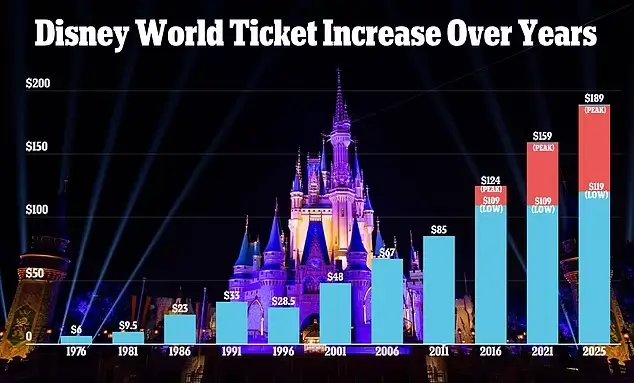
Introduction Disney ticket price increase as introduction heading
Theme park prices are a microcosm of inflation, dynamic pricing, and free-market behavior. The Disney ticket price increase is more than a headline—it’s a case study in personal finance and data-driven decision-making. Here’s how to treat Disney like any major household purchase: plan, optimize, and protect your cash flow.
Disney ticket deals, save on Disney tickets, Disney ticket discounts, Disney price hike, cheap Disney tickets Section 1
I’m a finance advisor who lives in spreadsheets and machine learning dashboards, and I love great experiences at a fair price. Disney is no different. The Disney price hike is the market telling us demand is strong, operating costs are up, and the company is monetizing its brand through dynamic pricing. Our job, as empowered consumers and investors, is to respond with strategy—not frustration.
What we know:
- Prices rise regularly and are tiered by date, park, and add-ons. Independent journalism has tracked notable increases in recent years, including 2023 hikes at Disneyland and subsequent adjustments across tickets and add-ons at both U.S. resorts. See coverage from CNBC and Forbes for historical context and savings tips.
- Recent reporting indicates 2025 adjustments continue the trend: variable pricing, pricier add-ons, and more dispersion between low- and high-demand days. See NerdWallet’s ongoing updates on pricing structures and how to navigate them.
Capitalist takeaway:
- This is classic supply and demand. Peak days cost more because they deliver higher perceived value. Your competitive advantage is price transparency and timing. Use tech tools to buy low and avoid costly features with poor ROI.
Real-life example:
- A family of four in Tampa wants a two-day Disney World trip. Shifting from a peak holiday weekend to a mid-September weekday set can reduce ticket costs materially, sometimes saving hundreds before hotel and dining optimizations. Those dollars can be redeployed to debt paydown, retirement contributions, or higher-return experiences.
Advisor lens—framework to evaluate Disney spend like an investment:
- Cash flow impact: What percentage of monthly net income will this trip consume?
- ROI proxy: How much utility per dollar are you deriving? This is subjective but improves when you eliminate friction (lines, add-ons you won’t use).
- After-tax perspective: Entertainment is nondeductible for most households. Don’t conflate “points” and “credits” with free money—track your effective cash outlay net of rewards.
- Risk assessment: What if prices increase again before your trip? What if weather forces cancellations? What if add-ons become necessary to make the day workable with young kids? Control downside via refundable bookings and flexible dates.
Key move:
- Treat Disney spending as a planned project. Set a budget ceiling. Then let pricing and timing drive the itinerary—not the other way around.
Disney ticket discounts, Disney ticket deals, save on Disney tickets, cheap Disney tickets, Disney price hike Section 2
Use this step-by-step, tech-forward playbook to engineer the lowest total cost without sacrificing experience.
- Time your purchase and travel dates
- Avoid peak pricing: Use Disney’s official date-based calendars and third-party trackers (NerdWallet’s coverage and Travel + Leisure tips) to identify lower-cost windows. Weekdays in shoulder seasons (late August–September, early November excluding holidays, mid-January–early February) often price better.
- Price monitoring automation:
- Set alerts using Google Sheets + IMPORTXML or an automation tool (e.g., Zapier) to scrape published date-based prices from authorized sellers.
- Schedule a weekly email summary to compare week-over-week changes.
- Advisor PSA: If your cash flow is tight, avoid “buy now, pay later” for tickets. Interest and fees can erase any savings from timing.
- Choose the right ticket type—avoid poor ROI add-ons
- Park Hopper: Only buy if you truly plan to park-hop. If you have children under 8 or first-timers, a single-park ticket per day often maximizes energy and minimizes transfer time.
- Genie+/Lightning Lane equivalents: These can be worth it on peak days to reduce time in line (time is money), but on low-demand days you may not need them. Calculate value by estimating the “hours saved” times your personal value of time.
- Multi-day discounts: Multi-day tickets often reduce the per-day price. Compare a two-day single-park plan versus a one-day hopper. Don’t assume hopper is cheaper or more flexible—it’s often pricier for lower utility.
- Authorized Disney ticket deals and reputable resellers
- Buy only from authorized sellers to avoid scams. Reputable outlets sometimes offer small but real Disney ticket discounts.
- Stackable tactics:
- Cashback portals (Rakuten, TopCashback) + authorized reseller purchase for additional 1–5% back.
- Credit card category bonuses (online travel portals, general travel cards) for extra points or statement credits.
- Due diligence checklist:
- Confirm “authorized” status and read recent reviews.
- Check refund/change policies—dynamic pricing can complicate date changes.
- Align ticket type with your itinerary to avoid upgrade fees later.
- Annual passes and resident discounts
- Local residents (e.g., Florida, Southern California) periodically access special pricing or payment plans. Track official announcements and regional promos.
- Annual pass ROI math:
- Break-even = total expected park days x (average day-ticket price) minus annual pass cost.
- Consider perks: dining/merch discounts, parking savings, photo packages.
- If you’ll visit 8–10+ days over a year, a pass can pencil out—even with blackout dates.
- Travel-and-stay arbitrage: Hotels, transport, and dining
- Offsite vs onsite: Offsite hotels can save hundreds while offering suite layouts and free breakfast. Onsite can be worth it if you’ll fully leverage early entry and transit, especially on short trips.
- Bundles: Sometimes package deals obscure actual ticket prices. Unbundle to compare apples-to-apples.
- Dining strategy: Mobile orders, snacks brought in where allowed, and one daily sit-down meal can balance experience and cost.
- Leverage financial tools like a pro
- Category budgeting with automation:
- Set a “Disney” sinking fund 6–12 months in advance. Automate transfers from checking to a high-yield savings account (HYSA).
- Use sub-accounts or digital envelopes for tickets, lodging, dining, and extras.
- Rewards optimization:
- Travel cards with flexible points (e.g., transferable currencies) can offset hotel/airfare, freeing cash for tickets.
- Track points redemption value: aim for 1.5–2.0 cents per point or better when using portals or transfer partners.
- Price prediction via simple models:
- A basic regression in Google Colab can estimate expected ticket cost by month/weekday. While you won’t beat Disney’s dynamic algorithm, you can identify the cheapest quartile of dates.
- Family governance:
- Align expectations at a “trip kickoff” meeting. Assign budget roles to teens (snack captain) and younger children (souvenir coin jar). This builds financial literacy and buy-in.
- Smart add-on alternatives
- Photo strategy: Ask PhotoPass photographers to use your phone.
- Souvenirs: Buy themed apparel pre-trip at discount retailers or online marketplaces.
- Experience per dollar: Prioritize must-do rides in low-wait windows (rope drop, late evenings). Use free planning tools and published crowd calendars to map an optimal route.
- Risk management and flexibility
- Refundability: Favor tickets and hotels with change-friendly terms, especially during hurricane season or when family health is a variable.
- Weather and backup plans: Pack ponchos, plan indoor attractions. Avoid last-minute costly purchases in-park.
- Trip insurance: For large trips including flights/hotels, compare policies. Insurance is less relevant for tickets alone, but valuable for multi-component itineraries.
- Tax and legal perspectives
- Personal trips: Tickets are not tax-deductible.
- Business/freelance cases: If a bona fide business purpose exists (e.g., meeting clients or producing revenue-generating content) with proper substantiation, a portion of travel may be deductible. Maintain documentation and consult a tax professional.
- Sales tax differences: Ticket and in-park purchases are subject to local tax. Include this in your cost model.
- For different life stages
- Students (18–25):
- Work-study optimizer: Trade peak weekends for off-peak days (often cheaper) during school breaks.
- Side income: Fund the trip with a targeted gig (tutoring, design freelance) and auto-transfer 50% of earnings to your Disney fund.
- Professionals (25–55):
- PTO arbitrage: Use midweek PTO to hit cheaper dates and lighter crowds.
- Cash flow stacking: Pair employer travel portals or corporate hotel discounts for out-of-pocket savings.
- Retirees (55+):
- Flexibility is your edge. Shift to shoulder seasons and midweek visits.
- Comfort ROI: Allocate savings from off-peak tickets to mobility aids or lounge-like breaks that extend stamina and enjoyment.
Performance dashboard you can build in 30 minutes:
- Inputs: target month, park choice, family size, historical prices, add-on preferences.
- Outputs: total trip cost bands (low/med/high), cheapest date clusters, break-even for Genie+/Hopper, and a “plan B” low-cost itinerary.
- Tools: Google Sheets + Data Studio or Notion dashboard linked to a CSV of prices from authorized sources.
The investor’s mindset
- If you’re an investor in Disney (or considering it), price hikes reflect pricing power and brand moat—but watch elasticity: too many hikes can dent goodwill and demand. As a consumer, you arbitrage that same system with information and flexibility.
FAQ Section
Q: How much did Disney ticket prices increase?
A: It varies by date, park, and product. Reporting over the past two years shows periodic increases across single-day tiers, multi-day tickets, and add-ons, with higher-demand days rising more. For context on the latest structures and examples of 2025 pricing shifts, see NerdWallet’s ongoing coverage. For historical increases and savings strategies, consult Forbes and CNBC. Always check current pricing directly before purchasing—dynamic pricing means your date selection drives the final number.
Q: Are there any Disney ticket deals available?
A: Yes—authorized resellers sometimes offer modest discounts, and Disney periodically runs resident or multi-day promotions. Stack deals with cashback portals and the right credit card to lower your effective price. Verify that the seller is authorized, confirm date-change policies, and compare the net price after rewards. Travel + Leisure regularly highlights legitimate ways to reduce costs without risking counterfeit tickets.
Q: How to save money on Disney tickets?
A: Three levers drive most of the savings:
Timing: Choose lower-priced dates and buy in advance.
Product fit: Skip add-ons you won’t fully use; buy single-park days if you’re not truly hopping.
Stacking: Use authorized reseller discounts, cashback portals, and credit card rewards. Build a simple date-cost matrix in a spreadsheet to compare options and lock in the plan with the best price-to-experience ratio.
Q: Why did Disney increase ticket prices?
A: In short, demand and cost. Theme parks use dynamic pricing to balance crowds and maximize revenue. Operating costs (labor, maintenance, new attractions) rise over time, and premium days command premium prices. It’s classic pricing power: a strong brand monetizes high-demand periods while offering lower prices on off-peak days.
Q: What are the best times to visit Disney for lower prices?
A: Typically midweek during shoulder seasons: late August–September, early to mid-November excluding holidays, and mid-January–early February. Avoid major holidays, spring break, and summer weekends. Always confirm with official price calendars, as special events can alter typical patterns.
Conclusion
Price changes aren’t obstacles; they’re signals. Use them to your advantage. Treat the Disney ticket price increase as a case study in market dynamics and personal finance discipline: you analyze, plan, and execute with technology and intention. For students, that means a small but meaningful savings engine and smarter timing. For professionals, it’s PTO arbitrage and reward stacking. For retirees, it’s flexibility and comfort ROI. Build your trip plan like a portfolio: define objectives, measure risk, compare options, and automate good decisions. If you want a custom, data-driven trip cost dashboard or a review of your broader travel-rewards strategy, adopt these tools today and bring your plan into focus—your wallet and your experience will both be better for it.
References
- NerdWallet: Disney ticket price increase 2025 – https://www.nerdwallet.com/article/travel/disney-ticket-price-increase-2025
- How to Hire Movers Like a CFO: Cut Costs, Reduce Risk, and Move With Confidence
- Roth catch-up contributions 2026: What High Earners, Employers, and Advisors Must Do Now
- College Entrance Exams: A Capitalist Playbook for SAT, ACT, CLT and Scholarships
- FAFSA deadlines for financial aid 2025-2026: Dates, Strategy, and Pro Tips
- SBA Loan Bankruptcy: A Practical, Tech-Savvy Guide for Entrepreneurs and Advisors

Riley Morgan is a personal finance writer and wealth strategist with over a decade of experience covering budgeting, credit optimization, banking products, and investment fundamentals for everyday Americans.
Riley’s work focuses on translating complex financial concepts into clear, actionable guidance — helping readers at every income level make smarter decisions about their money. Articles published on WealthStack.us draw on primary research, direct product testing, and data sourced from authoritative institutions including the IRS, Federal Reserve, CFPB, and SEC.
Riley is not a licensed financial advisor, CPA, or CFP. All content on WealthStack.us is for informational and educational purposes only and does not constitute personalized financial, tax, or investment advice. Readers should consult a qualified financial professional before making any financial decisions.
Connect: https://www.linkedin.com/in/riley-morgan-us | Questions or corrections: rileymorgan.us@gmail.com