
Introduction — Booking.com Credit Card: A Tech-Savvy Advisor’s Take
Travel is a line item in your personal P&L. The right card is a lever for ROI, not a souvenir. The Booking.com Credit Card can be a tactical fit for deal hunters and frequent Booking.com users—if you use it with clear goals, automation, and disciplined redemption.
Booking.com rewards program, travel credit cards, Booking.com cashback: How the Value Engine Works
Before you pick any card, you’re allocating capital: your monthly spend. Think like a portfolio manager—optimize for expected value (EV), flexibility, and after-fee returns.
What to know about the Booking.com Credit Card (high-level insights)
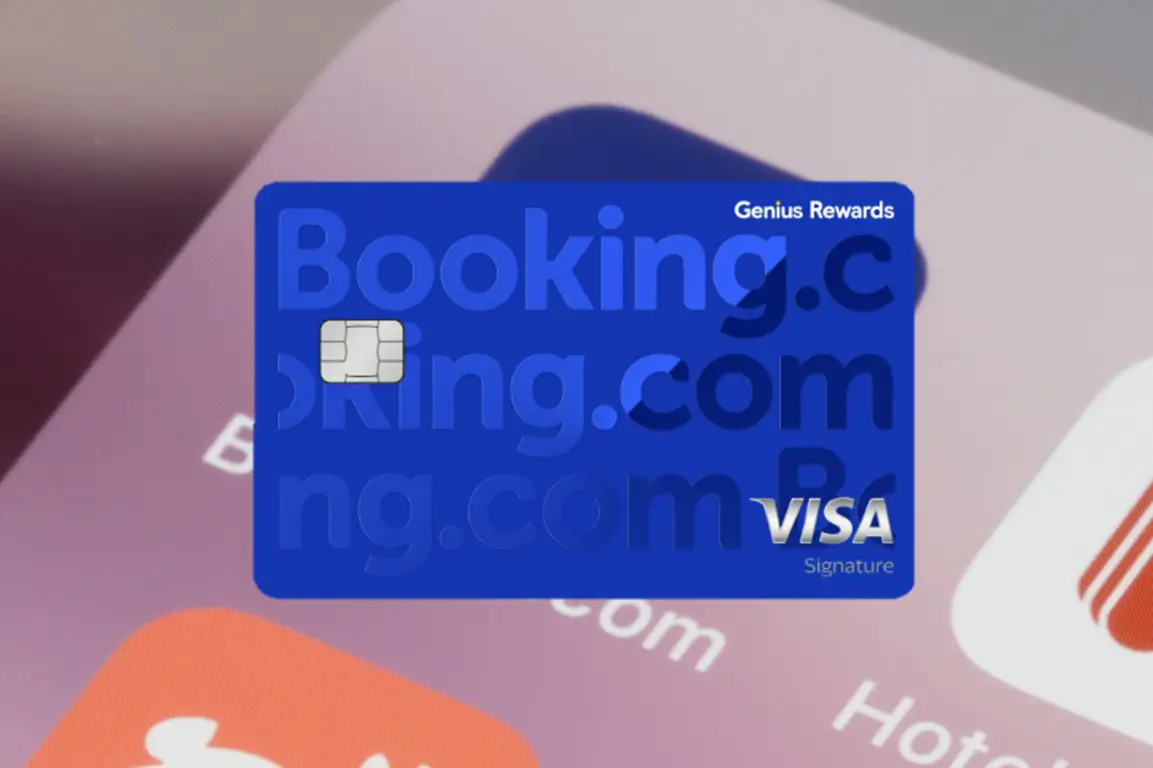
- It’s a co-branded travel credit card tied to the Booking.com ecosystem. Its rewards typically come back as site-specific credits or “cashback” usable on future travel through Booking.com, not as broadly transferable points.
- Co-branded structure: Value is often highest when you book through Booking.com. Outside categories may still earn bonuses, but the sweet spot tends to be direct platform spend.
- Fees and foreign transaction: Many travel cards cut foreign transaction fees and some have no annual fee; always verify the current terms with the issuer. See NerdWallet’s summary for up-to-date specifics: https://www.nerdwallet.com/article/credit-cards/booking-com-credit-card
How to test the ROI with a simple model
- Annual travel spend on Booking.com: $X
- Non-travel spend in bonus categories (e.g., dining/grocery/transport): $Y
- Non-bonus spend: $Z
- Multiply by respective earn rates (per issuer’s terms) to project yearly rewards.
- Apply your redemption value: If rewards are platform-specific, assume a discount factor of 10–30% vs. fully flexible currencies (to account for limited use cases, expirations, and price dispersion).
- Subtract annual fees and any frictional costs.
- Compare against a baseline flexible card (e.g., general travel cards that redeem against any travel at a fixed value, or transferable points programs that can be moved to multiple airlines/hotels).
For students and early-career professionals
- If you mainly book hostels, budget hotels, or short stays via Booking.com, the card can stack value—especially if there’s no annual fee and you avoid interest by paying in full.
- Automate your cash flow: Use a budgeting app that syncs to your card and sets payment reminders to zero out balances. Interest expense obliterates travel rewards.
For mid-career professionals and families
- Consolidate work-leisure itineraries: If your employer allows personal card use with reimbursement, the Booking.com Credit Card could boost your reward velocity provided you’re booking through the platform.
- Use AI price-trackers and fare predictors to time purchases, then layer in Booking.com rewards for a double-win.
For retirees and legacy planners
- If you prefer fixed, low-friction value and are loyal to Booking.com’s inventory, this card can serve as a simple, no-drama travel optimizer. For those valuing flexibility, compare it to general travel cards with easy statement credits.
Key advisory point
- Platform-locked rewards can be powerful if you’re a loyalist. If you value optionality across airlines, hotels, and transfer partners, a flexible travel ecosystem may deliver higher lifetime value.
Booking.com loyalty, credit card rewards, and Booking.com credit card reviews: What the Market Says and How to Decide
Co-branded card ecosystems thrive when:
- You book frequently via the partner platform.
- The bonus categories match your real spending.
- You’re comfortable redeeming within that platform’s rules.
What Booking.com loyalty can add
- Booking.com has “Genius” tiers based on your booking history. Some co-branded cardholders may access enhanced perks or status-linked discounts. The exact perks change over time. Check current terms at Booking.com and the issuer. In practice, cardholder perks can stack with ongoing Booking.com deals, creating outsized value for frequent users.
What independent reviews highlight
- Third-party reviewers (e.g., NerdWallet) typically focus on earn rates, redemption restrictions, fees, and ease of use. While the card’s earning structure can be competitive on Booking.com bookings, reviewers often underscore that rewards are most valuable within the Booking.com ecosystem. See reference: https://www.nerdwallet.com/article/credit-cards/booking-com-credit-card
Advisor workflow: How we evaluate a travel card for clients
- Intake data: Card statements and categorized spend for the past 6–12 months.
- Automated analysis: AI categorizes spend (travel/dining/grocery/other), models different cards’ earn rates, and calculates a friction-adjusted redemption value.
- Behavioral overlay: Are you okay with platform lock-in? Do you prefer fewer rules and a simple cash-back structure? Do you travel internationally often?
- Tax angle: Rewards typically aren’t taxable as income when earned via personal spending. Reimbursements for business spend are different; consult a tax pro if mixing business and personal use.
Decision matrix (simplified)
- If you are loyal to Booking.com and want a simple way to reduce future travel costs → Booking.com Credit Card can fit.
- If you want maximum flexibility and transfer partners → Consider general travel cards with transferable points.
- If you want one-card simplicity with statement-credit redemptions → Consider flat-rate travel or cash-back cards.
redeem Booking.com points, Booking.com cashback: Step-by-Step Redemption, Automation, and Best Practices
Redeeming efficiently is where the alpha lives. Your objective: convert every dollar of spend into the highest-usable travel value at the lowest friction.
Redemption basics (conceptual)
- Earning: You typically earn rewards for Booking.com purchases and possibly on common categories like dining and groceries (exact rates per issuer terms).
- Redemption: Rewards may come as Booking.com credits or similar, redeemable for future bookings on Booking.com.
- Platform lock-in: Credits are generally usable only within Booking.com, not as cash to your bank. Check for expiration rules.
Step-by-step: How to redeem Booking.com rewards efficiently
- Track your rewards balance
- Log into your card account and Booking.com profile. Match email addresses so credits sync properly.
- Set a monthly reminder to track balances and upcoming expirations.
- Shop strategically
- Use Booking.com’s filters (date flexibility, cancellation policies, amenities) and promo codes. Compare total price after credits.
- Leverage price-match policies or alerts, where available, to protect value.
- Optimize timing with AI tools
- Enable price-drop alerts for your destination. If your booking is flexible, you can cancel and rebook to capture a better rate, then apply credits at checkout.
- Stack perks
- Combine card-linked rewards with Bookingcom loyalty discounts, seasonal promos, and property-specific deals. Check whether credits apply to taxes/fees or room rate only.
- Confirm redemption value
- Before checkout, calculate your cents-per-point (or per-credit) value. If your value is low (e.g., sub-1 cent), consider holding for a future booking or picking another property/date combo.
- Execute and record
- Book, apply credits, then save your receipt. Track redemption rate in a spreadsheet or budgeting app to measure your annualized ROI from the card.
Risk controls and pitfalls to avoid
- Remind-yourself automation: Set a calendar tickler 60–90 days before any potential credit expiration.
- Avoid paying interest: Rewards evaporate if you carry balances. Set autopay to full statement.
- Don’t overpay to “use credits”: A discounted stay via another site could beat a Booking.com stay even after credits. Compare options.
travel credit cards comparison: Where the Booking.com Credit Card Fits in a Competitive Market
Context matters. Here’s how to think about this card vs. popular travel strategies.
- Booking.com Credit Card (co-branded)
- Strengths: Elevated rewards on Booking.com purchases, potential loyalty benefits, and typically straightforward redemption within the platform. Good for committed Booking.com users and budget maximizers.
- Trade-offs: Platform lock-in; rewards may be less flexible than transferable currencies. Redemption rules, expirations, and eligible charges vary.
- Flexible travel cards (e.g., bank travel currencies)
- Strengths: Redeem as statement credits or via portals against a wide array of travel purchases. Often include valuable protections (trip delay, rental coverage) depending on the card tier.
- Trade-offs: May have annual fees; earn rates may be lower than co-branded rates on specific merchants but deliver superior flexibility.
- Transferable-points ecosystems
- Strengths: Transfer to airlines/hotels for outsized redemptions (premium cabins, aspirational hotels). Best for frequent travelers who enjoy optimization.
- Trade-offs: Complexity, availability constraints, and devaluation risk. Often annual fees.
Advisor tip
- Treat your card selections like factor tilts in a portfolio. A Booking.com card is a “platform tilt”—high expected value for platform loyalists, lower for generalists. A flexible card is a “market beta”—broad utility, often lower peak value per dollar but higher optionality.
Booking.com loyalty and family budgeting: Real U.S. Use Cases Across Life Stages
Students (18–24): Stretch every dollar
- Strategy: If you travel 1–3 times per year and prefer Booking.com’s hostel/budget inventory, the Booking.com Credit Card can turn small spends into meaningful discounts.
- Workflow: Use a free expense app (e.g., Monarch, Copilot, or YNAB) to autopay statements in full. Pair with a high-yield savings account to hold travel funds and earn interest until booking.
- Risk: One late payment can cost more than a year of rewards. Put autopay on “Full Balance.”
Mid-career professionals (25–55): Integrate work and family travel
- Strategy: If employer policy allows, put reimbursable trips on your card to accumulate rewards, then redeem for family vacations. Use a travel policy-compliant approach to avoid HR friction.
- Workflow: Automate receipt capture (e.g., Ramp, Divvy, Expensify). Track reward balances and redemption value in a unified dashboard. Use AI assistants to flag price drops and better dates.
- Risk: Overconcentration. If you book outside Booking.com often (e.g., direct with airline), consider a hybrid strategy: Booking.com card for platform stays + a flexible card for flights.
Retirees (55+): Simplicity, value, and protection
- Strategy: Value predictable savings and easy redemptions. If you already enjoy Booking.com’s property variety and rates, keep it simple with one or two travel cards max.
- Workflow: Enable travel alerts, keep a PDF of coverage benefits, and consider cards with strong trip protections if you travel frequently.
- Risk: Redemption rules changing. Review your rewards quarterly to stay ahead of expirations or policy shifts.
Financial data analysis, automated risk assessment, and investment forecasting applied to card strategy
As an advisor, I apply the same discipline to rewards as to investments.
- Data ingestion: Export 12 months of transactions from your bank and card accounts. Classify spend into travel, dining, groceries, online retail, subscriptions, utilities, etc.
- AI categorization: Use AI to map spend patterns to card earn categories and simulate outcomes across 3–5 card options, including the Booking.com Credit Card.
- Risk-adjusted value: Consider redemption volatility (rule changes, blackout dates, property availability). Discount platform-locked rewards by 10–30% depending on your risk tolerance.
- Forecasting: Project your next 12 months based on life events (study abroad, family travel, retirement trip). Choose cards that align with forecasted spend.
- Rebalancing: Revisit your card lineup annually. If you stop using Booking.com, rotate to a more flexible card to avoid orphaned credits.
Tax perspective
- Personal-use rewards earned on your own spending are generally not taxable. If you’re a business owner and redeem travel for business, it reduces your deductible expense, not taxable income. Consult your CPA for nuanced scenarios (e.g., employee rewards, mixed-use trips).
Booking.com credit card reviews and practical playbooks: Maximize Value in 90 Days
A practical, step-by-step plan to ensure your card starts strong.
Day 1–7: Setup
- Apply and, upon approval, add the card to your digital wallet.
- Link the card to your Booking.com account using the same email.
- Turn on autopay (full statement), alerts for due dates, and international travel notices.
- Enter the card into your budgeting tool and set a monthly cap for discretionary travel.
Day 8–30: Earning rhythm
- Book your next trip via Booking.com if it’s price-competitive.
- Route dining and grocery spend to the card if those categories earn bonuses per current terms.
- Use a price-tracking extension or app to monitor rates for potential rebooking opportunities.
Day 31–60: Redeem smart
- Review credits earned and expiration timelines.
- Plan your next stay with flexible dates to improve redemption value.
- Run a quick comparison: With credits vs. alternative OTA or direct booking. Choose the higher net value.
Day 61–90: Optimize or pivot
- Analyze redemption value achieved (cents per credit).
- If value is consistently high and you’re Booking.com-loyal, keep the card in rotation.
- If value is middling and you want flexibility, pivot spend to a general travel card and keep the Booking.com Credit Card as a situational tool for platform-specific deals.
Are there fees associated with the Booking.com Credit Card? Practical Cost Management
What to watch for
- Annual fee: Some co-branded cards charge $0; confirm current terms.
- Foreign transaction fees: Travel cards often waive these; confirm before international trips.
- APR: Rewards are a mirage if you carry balances. Treat APR as a risk; set autopay to full.
- Late fees and penalty APRs: Avoid with calendar alerts and bank autopay.
- Dynamic currency conversion (DCC): Decline DCC at checkout abroad; choose local currency to avoid hidden markups.
Comparison mini-guide: Booking.com Credit Card vs. common travel strategies
Think in terms of constraints (what you must accept) and degrees of freedom (what you can optimize).
- Booking.com Credit Card
- Constraint: Platform-locked redemptions.
- Freedom: Potentially strong earn rates on Booking.com bookings; loyalty stacking.
- Best for: Booking.com loyalists and price-sensitive travelers who enjoy optimizing stays.
- Flexible travel cash-back card
- Constraint: Earn rates may be flat or category-limited.
- Freedom: Redeem against any travel; dead-simple value.
- Best for: Users who prioritize simplicity and universal usability.
- Transferable points ecosystem
- Constraint: Complexity and potential annual fees.
- Freedom: Potential for outsized redemptions (e.g., premium cabins).
- Best for: Frequent travelers willing to learn the game.
FAQ Section
Q: What are the benefits of the Booking.com credit card?
A: For Booking.com loyalists, benefits typically include elevated rewards on Booking.com purchases, potential stacking with Booking.com loyalty deals, and platform-focused redemption that can reduce real travel costs. Some co-branded travel cards also waive foreign transaction fees and charge no annual fee, but verify current terms for this specific card. See NerdWallet’s overview for the latest: https://www.nerdwallet.com/article/credit-cards/booking-com-credit-card
Q: How do I redeem rewards from the Booking.com credit card?
A: Rewards usually post to your account as Booking..com credits or similar, redeemable toward future bookings on Booking..com. Link the card and Booking..com account, check your credit balance, and apply credits at checkout. Monitor expirations and compare prices with/without credits to ensure you’re achieving strong value.
Q: Is the Booking..com credit card worth it?
A: It’s worth it if you frequently book via Booking..com and can reliably extract high redemption value without carrying a balance. If you want maximum flexibility (e.g., transfer partners, broad travel statement credits), a general travel card may outperform. Run a 12-month spend analysis to quantify expected value and compare across alternatives.
Q: How does the Booking..com credit card compare to other travel cards?
A: Compared with flexible travel or transferable-points cards, the Booking..com Credit Card can offer stronger returns on platform-specific bookings but less flexibility overall. Flexible cards win on simplicity and universal redemption; transferable ecosystems can win on aspirational redemptions if you optimize. Choose based on loyalty, redemption preference, and complexity tolerance.
Q: Are there any fees associated with the Booking..com credit card?
A: Check the issuer’s current schedule for annual fees, foreign transaction fees, APR, and late fees. Travel cards often waive foreign transaction fees, and some co-branded cards charge no annual fee, but terms change. Avoid interest by enabling autopay to full and set alerts to prevent late fees.
Conclusion
The Bookingcom Credit Card is a tool—its value depends on how you use it. If you’re loyal to Bookingcom and disciplined with cash flow, it can be a high-ROI lever for real travel savings. If you prefer maximum flexibility, pair or pivot to a general travel or transferable-points card. Think like an investor: measure, model, and rebalance annually. Leverage AI-driven spend analysis, price tracking, and automation to capture more value with less effort. If you want a personalized model of your 12-month card ROI, run your transaction data through a category-level analysis and pressure-test the Bookingcom Credit Card against two flexible alternatives—then choose the highest after-fee, after-friction outcome.
References
- NerdWallet — Booking..com Credit Card: https://www.nerdwallet.com/article/credit-cards/booking-com-credit-card
- References
- FAFSA deadlines for financial aid 2025-2026: Dates, Strategy, and Pro Tips
- SBA Loan Bankruptcy: A Practical, Tech-Savvy Guide for Entrepreneurs and Advisors
- Transferring Colleges: A Finance-First, Data-Driven Playbook for Maximizing ROI
- Maximize Your Returns: Tax Deductions for Tuition and Student Loans
- Gerber Life Insurance Policy for College: Smart Uses, Risks, and ROI

Riley Morgan is a personal finance writer and wealth strategist with over a decade of experience covering budgeting, credit optimization, banking products, and investment fundamentals for everyday Americans.
Riley’s work focuses on translating complex financial concepts into clear, actionable guidance — helping readers at every income level make smarter decisions about their money. Articles published on WealthStack.us draw on primary research, direct product testing, and data sourced from authoritative institutions including the IRS, Federal Reserve, CFPB, and SEC.
Riley is not a licensed financial advisor, CPA, or CFP. All content on WealthStack.us is for informational and educational purposes only and does not constitute personalized financial, tax, or investment advice. Readers should consult a qualified financial professional before making any financial decisions.
Connect: https://www.linkedin.com/in/riley-morgan-us | Questions or corrections: rileymorgan.us@gmail.com
2 thoughts on “Booking.com Credit Card: A Data-Driven Guide to Rewards, Cashback, and Smart Travel ROI”